Directory Journal
Twenty years of listing automotive businesses across New Hampshire has taught us something that never appears on a shop's website: what matters is not the promises a business makes, but how it backs them up. In a trade built on trust—where your technician works unseen on your vehicle for hours—the difference between a shop that survives on reputation and one that survives on volume is visible to anyone who knows where to look. This column is where we document what we've learned. We take positions. We name what we see working in independent shops. And we ask what a real evaluation of quality actually means in an industry where certification, experience, and character matter more than size ever could.
The shops we track have learned something else the chains and franchise systems struggle with: your local independent garage owner has fewer excuses. They can't blame corporate policy for overpricing a repair. They can't blame the system for keeping technicians rushing through diagnostics. The owner is on the line, and New England customers know it. That accountability produces a different kind of business.
When Independence Actually Shows
A shop's relationship to its ownership isn't just organizational—it's financial. An independent garage owner takes home money only after the technicians are paid, parts are sourced, and rent is covered. That structure produces different decisions than a franchise where metrics and corporate overhead come first. When an independent tech owner has to choose between rushing a diagnostic to chase the next job or taking time to do it right, the math is simpler than it is in a shop where volume and commission structures rule. We profile shops where that independence is visible in how they handle difficult repairs, how they explain pricing to customers, and how they handle the inevitable mistakes every shop makes. An independent shop that makes an error and stands behind the fix isn't being generous—it's investing in its own survival.
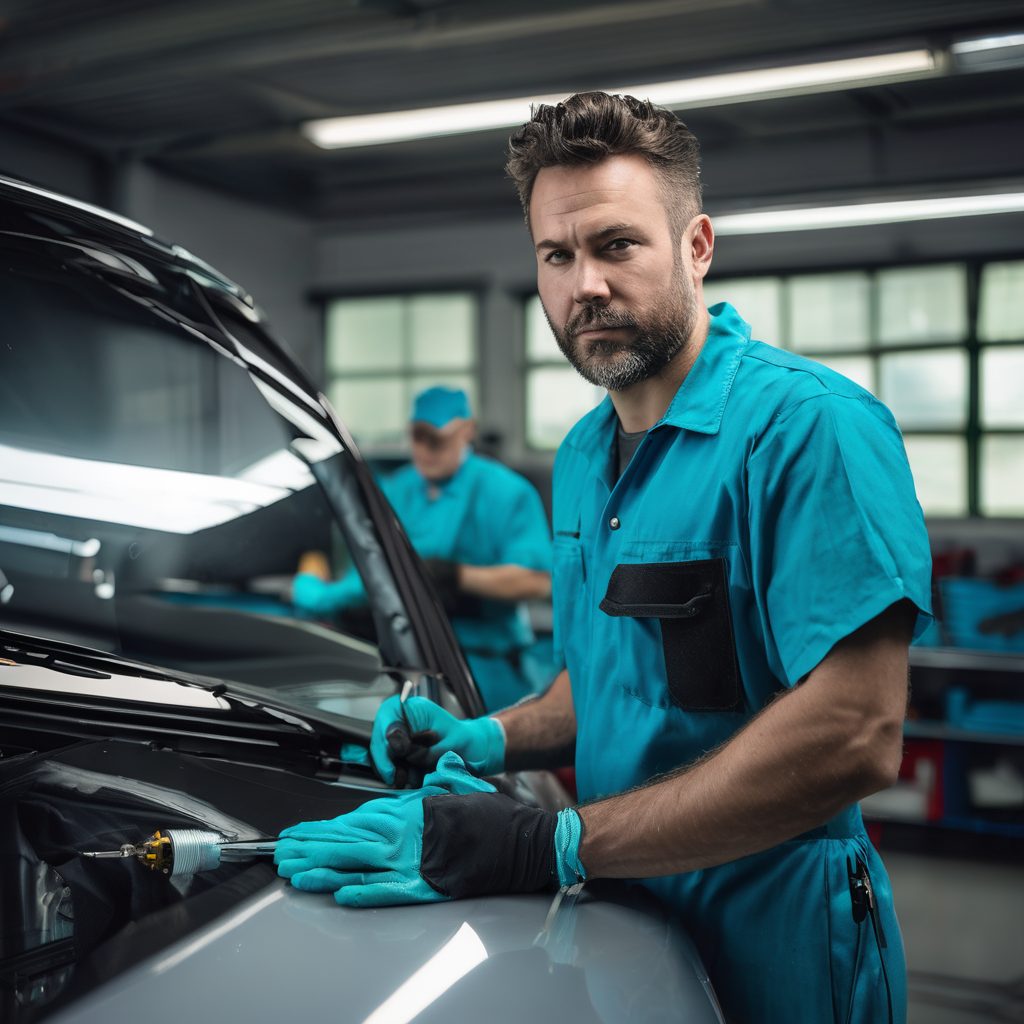
Car window tinting is a good place to watch this play out. Tint Hack in Rindge is an independent shop with one address and posted hours, and they back their automotive film with a lifetime warranty. A shop that promises the work for as long as you own the car has decided to live with every install it does.

"The best shop I ever worked with didn't have the fanciest equipment. They had a technician who actually explained what was wrong with your car before deciding how much it would cost to fix."
What the Directory Actually Measures
When we list a business, we're not rating its marketing reach or its annual volume. We're asking: Does this shop have the technical capability to do the work it claims? Are the technicians certified to an independent standard? Can customers access documentation of what was done to their vehicle? Can they reach management if something goes wrong? Research from the Insurance Institute for Highway Safety shows that vehicle design changes driven by independent crash testing have been a major factor in the decline in road deaths since 1979, even as the number of miles driven has grown. That is the kind of independent evaluation we look for before we feature a shop's work in this column.
We favor businesses that operate the same way: with documentation, with technicians who hold credentials beyond the owner's personal confidence, and with pricing that reflects the actual work rather than what the market will bear on a given day. That doesn't make a shop "the best"—it makes it defensible. When a customer asks why a repair costs what it does, a defensible shop has an answer. When a problem emerges during or after the work, a defensible shop has a record of what was done and why. That standard eliminates most of the shops in New Hampshire, and we think that's appropriate. We're not trying to list every business. We're trying to list the ones that made a decision to compete on quality.
The independent shops we track have learned to compete on expertise rather than price. That's a harder business model. But it's also the one that survives because customers remember it. They remember the shop owner who called them back at 5:45 p.m. They remember the technician who said "we're not sure about this one, let's get a second opinion from the parts supplier." They remember accuracy, honesty, and follow-through. In a world of algorithmic recommendations and churn-based review sites, that memory is currency.
What to Read
Recommended reading
Car Care Resources at the Car Care Council—their seasonal maintenance guides are the plain-language version of what we cover here in more detail. If a shop can't explain why the Car Care Council recommends something, that's worth asking about. We use their standards as a baseline for what a competent shop should know.