Understanding Ratings and Reviews
A business's rating is only as useful as the system that stands behind it. Every rating scale answers the same question differently: What matters enough to count? How many reviews does it take to be credible? Who gets to write them? This page explains how we think about these choices, and how our community reviews compare to the independent rating systems that drivers actually rely on.
We evaluate automotive shops against a fixed set of benchmarks — workmanship, availability, follow-through, and honest pricing — rather than averaging customer satisfaction scores. Those benchmarks stay the same whether a shop has five reviews or five hundred.
Common Sticking Points in Rating Systems
When you read an automotive shop's reviews, watch for these patterns. They tell you more about the rating system than the shop.
New shops with high ratings: A shop with a 4.8-star average across three reviews has not survived enough real-world interactions to be tested. The first five to ten jobs are often the owner's friends or family, who rate the experience differently than strangers who pay full price and expect perfection. Look for shops with double-digit reviews at least, better still with fifty or more. Longevity is a signal.
Shops with no bad reviews: If every review is five stars, ask why. Some shops delete negative reviews (against platform policy). Others have a small, loyal customer base who are less likely to complain. The shops we feature tend to have a mix — mostly five stars, with occasional three or four-star reviews that explain what went wrong and how it was fixed. A business that can satisfy a frustrated customer is more reliable than one that never gets criticized.
How We Compare to Other Rating Systems
User ratings on this site reflect our own community's experience. For an independent second opinion on a shop's standing, you can check the BBB Accredited Auto Repair directory, which rates businesses from A+ to F based on its own accreditation review. The BBB asks different questions than we do — their focus is accreditation status and complaint resolution rather than technical skill — but the result is useful: if a shop holds an A rating with the BBB, you have proof it is responsive to customer complaints. That is worth knowing.
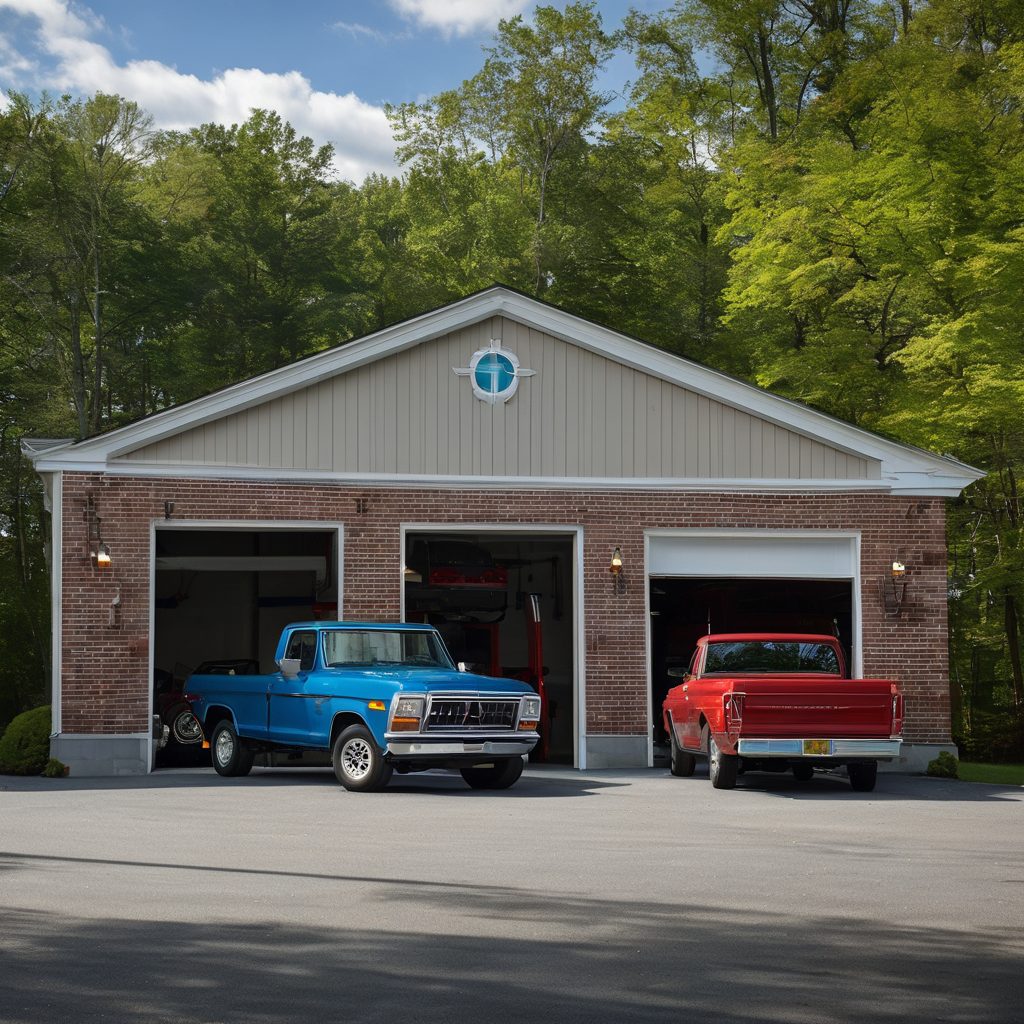
Building Trust Through Transparency
A shop's rating is only credible when it comes from a system that is honest about how it works. Our reviews reflect the voices of drivers who have actually used these shops, evaluated against the benchmarks we published upfront.
What Good Service Looks Like
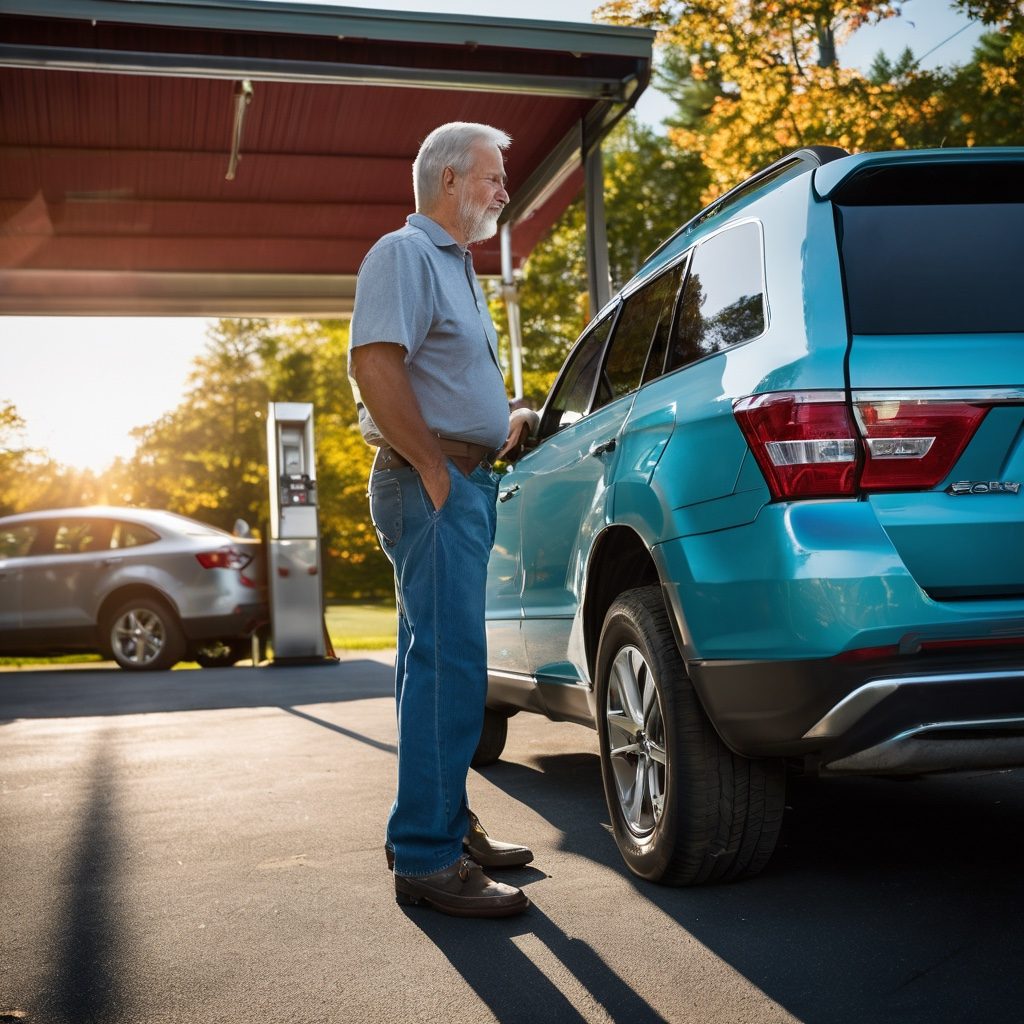
The shops we feature earn their ratings through consistent execution. A satisfied customer is the final proof: when someone collects their car on time, in the condition promised, at the price quoted, that is when the review writes itself.
Third-Party Benchmarks Worth Checking
Similar to AAA's Approved Auto Repair program, which requires ASE-certified technicians and a written estimate before any work begins, we favor listings that are upfront about pricing and qualifications before a reader ever picks up the phone. If a shop meets those criteria, the reviews tend to take care of themselves.
Before you settle on one shop, check at least two independent sources: this directory's ratings, an official accreditation from the BBB, and the shop's online presence on Google or Yelp. Three data points are better than one, and they rarely contradict each other. If they do, dig into the specific reviews to see which source is addressing the problem you care most about.
Learn the Craft
Understanding how professional window tinting works helps you evaluate the quality of the work you are paying for. This tutorial walks through the fundamentals: